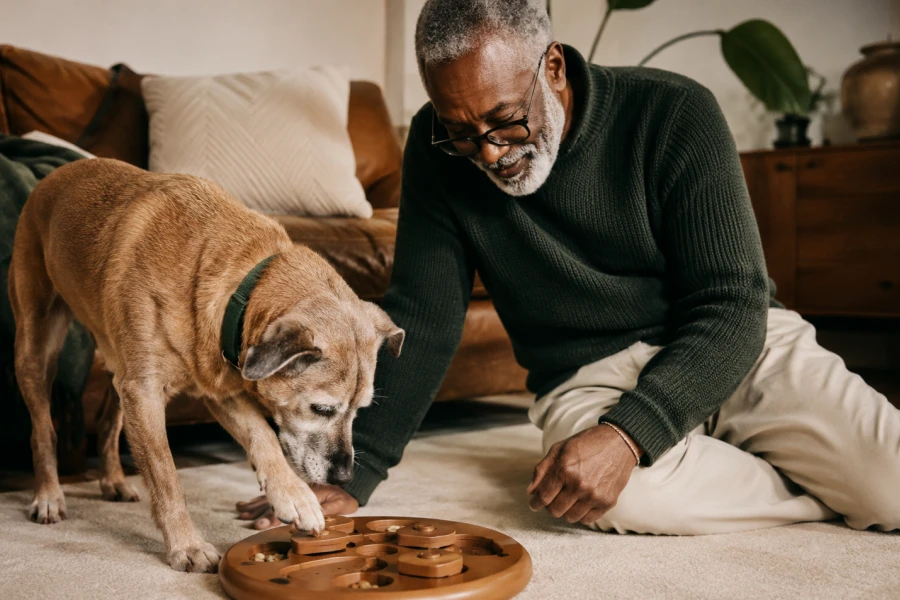
Mental stimulation for pets gives a pet a satisfying reason to focus. A good challenge begins with a question that can be answered. The first success should arrive before frustration has time to build. Start with an easy route to a visible reward. Then watch how the pet approaches the task. Interest, pause, recovery, and return are all useful clues. The goal is not to create the hardest puzzle. It is to make thinking feel worthwhile. Short successful sessions can change the mood of an afternoon. They also build confidence for the next question.
Consider a simple question or puzzle with a clear route to success before making the next move. Treat a simple question or puzzle with a clear route to success as a question the pet can answer. A good challenge has a visible beginning and a reachable reward. Start below the level that might cause frustration. Let the pet discover the first move independently. Success changes the emotional tone of the task. It builds focus without creating pressure. Then adjust only one part of the puzzle. Clear feedback helps a pet stay willing. A short win can be more valuable than a long struggle. Confidence is the real foundation. That is where a thoughtful plan becomes a dependable habit. The process stays clearer when each step has one purpose.
Consider difficulty, confidence, and the importance of early wins before making the next move. Treat difficulty, confidence, and the importance of early wins as a question the pet can answer. A good challenge has a visible beginning and a reachable reward. Start below the level that might cause frustration. Let the pet discover the first move independently. Use confidence-building puzzle play when you want a grounded next step. Success changes the emotional tone of the task. It builds focus without creating pressure. Then adjust only one part of the puzzle. Clear feedback helps a pet stay willing. A short win can be more valuable than a long struggle. Confidence is the real foundation. The process stays clearer when each step has one purpose.
Consider the emotional difference between waiting and thinking before making the next move. Treat the emotional difference between waiting and thinking as a question the pet can answer. A good challenge has a visible beginning and a reachable reward. Start below the level that might cause frustration. Let the pet discover the first move independently. Success changes the emotional tone of the task. It builds focus without creating pressure. Then adjust only one part of the puzzle. Clear feedback helps a pet stay willing. A short win can be more valuable than a long struggle. Confidence is the real foundation. Good care leaves enough room for preferences to change. This keeps the decision connected to ordinary household life.
Consider how a visible payoff helps a pet stay engaged before making the next move. Treat how a visible payoff helps a pet stay engaged as a question the pet can answer. A good challenge has a visible beginning and a reachable reward. Start below the level that might cause frustration. Let the pet discover the first move independently. Use rewarding problem-solving sessions when you want a grounded next step. Success changes the emotional tone of the task. It builds focus without creating pressure. Then adjust only one part of the puzzle. Clear feedback helps a pet stay willing. A short win can be more valuable than a long struggle. Confidence is the real foundation. This keeps the decision connected to ordinary household life.
Consider raising or lowering the challenge with care before making the next move. Treat raising or lowering the challenge with care as a question the pet can answer. A good challenge has a visible beginning and a reachable reward. Start below the level that might cause frustration. Let the pet discover the first move independently. Success changes the emotional tone of the task. It builds focus without creating pressure. Then adjust only one part of the puzzle. Clear feedback helps a pet stay willing. A short win can be more valuable than a long struggle. Confidence is the real foundation. Repeated use will tell you more than a single first reaction. A practical adjustment should make the next moment easier.
Let success stay visible and achievable. A pet that understands the task is more likely to return to it. Increase difficulty only after confidence looks steady. Keep the reward clear enough to encourage another attempt. A thoughtful puzzle session can turn spare minutes into meaningful engagement. It can also give your pet a satisfying outlet for focus. Watch for the moment when effort becomes enjoyment. That is the level worth repeating. The goal is not to make the challenge harder every day. The goal is to make thinking feel worthwhile. Return to easier puzzles whenever the pet needs a confidence boost. Mastery deserves as much space as novelty in a thoughtful routine. Explore brain-friendly pet challenges when you want a clear, practical next reference.



Leave a comment