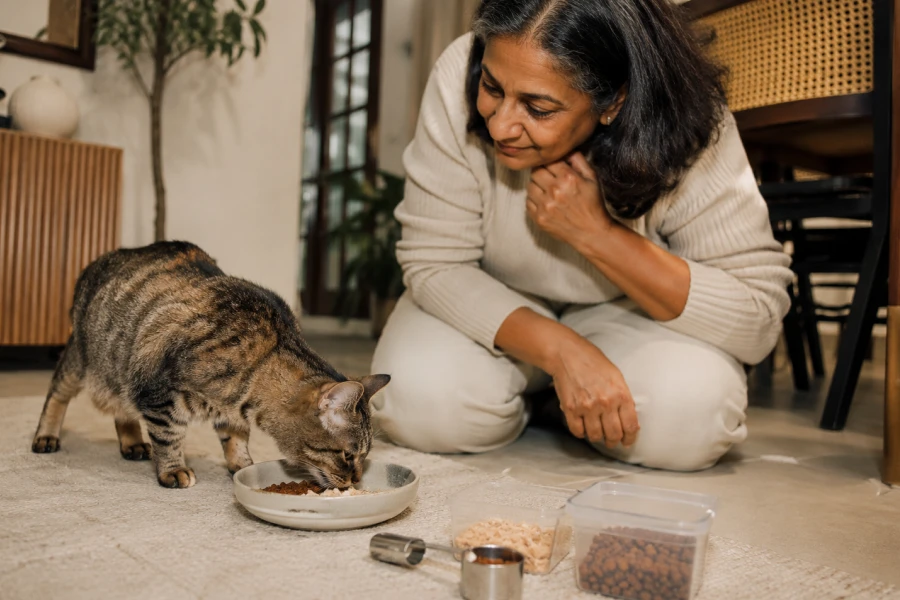
Cat food transition tips become more useful when you treat each meal as a small observation instead of a verdict. A cat may pause for reasons that have nothing to do with the recipe. Timing, noise, previous treats, and mood can influence the bowl. Start by simplifying what you watch. Notice the first sniff, the first bite, and the return after a pause. Those details often tell a clearer story than one number alone. Keep the setting steady long enough to see a pattern. Then respond to the pattern rather than the moment. Careful attention makes the process calmer. It also prevents unnecessary changes.
Consider the small details that reveal a cat’s honest response before making the next move. Use the small details that reveal a cat’s honest response as an observation prompt, not a reason to rush. Notice what happens before the cat reaches the bowl. Watch the first sniff, the pause, and the return. Timing can matter as much as appetite. A single meal rarely tells the full story. Patterns become clearer when the setting stays stable. Write down only useful, repeatable details. This prevents memory from filling gaps with guesses. Gentle attention makes adjustments more precise. Precision lowers the urge to overreact. Good care leaves enough room for preferences to change. This keeps the decision connected to ordinary household life.
Consider a short observation window with fewer moving parts before making the next move. Use a short observation window with fewer moving parts as an observation prompt, not a reason to rush. Notice what happens before the cat reaches the bowl. Watch the first sniff, the pause, and the return. Timing can matter as much as appetite. Use thoughtful feeding observations when you want a grounded next step. A single meal rarely tells the full story. Patterns become clearer when the setting stays stable. Write down only useful, repeatable details. This prevents memory from filling gaps with guesses. Gentle attention makes adjustments more precise. Precision lowers the urge to overreact. This keeps the decision connected to ordinary household life.
Consider appetite, posture, timing, and the value of context before making the next move. Use appetite, posture, timing, and the value of context as an observation prompt, not a reason to rush. Notice what happens before the cat reaches the bowl. Watch the first sniff, the pause, and the return. Timing can matter as much as appetite. A single meal rarely tells the full story. Patterns become clearer when the setting stays stable. Write down only useful, repeatable details. This prevents memory from filling gaps with guesses. Gentle attention makes adjustments more precise. Precision lowers the urge to overreact. Repeated use will tell you more than a single first reaction. A practical adjustment should make the next moment easier.
Consider the difference between a passing pause and a meaningful pattern before making the next move. Use the difference between a passing pause and a meaningful pattern as an observation prompt, not a reason to rush. Notice what happens before the cat reaches the bowl. Watch the first sniff, the pause, and the return. Timing can matter as much as appetite. Use cat appetite cues when you want a grounded next step. A single meal rarely tells the full story. Patterns become clearer when the setting stays stable. Write down only useful, repeatable details. This prevents memory from filling gaps with guesses. Gentle attention makes adjustments more precise. Precision lowers the urge to overreact. A practical adjustment should make the next moment easier.
Consider how to adjust one variable without creating new confusion before making the next move. Use how to adjust one variable without creating new confusion as an observation prompt, not a reason to rush. Notice what happens before the cat reaches the bowl. Watch the first sniff, the pause, and the return. Timing can matter as much as appetite. A single meal rarely tells the full story. Patterns become clearer when the setting stays stable. Write down only useful, repeatable details. This prevents memory from filling gaps with guesses. Gentle attention makes adjustments more precise. Precision lowers the urge to overreact. That is where a thoughtful plan becomes a dependable habit. The process stays clearer when each step has one purpose.
Keep the notes light, useful, and connected to real decisions. You are looking for patterns, not perfection. A calmer appetite, easier approach, or steadier routine can matter more than one enthusiastic bite. Stay close to what you actually observe. Then make the smallest adjustment that answers the pattern. This approach keeps feeding changes understandable. It also makes your next move easier to defend. Thoughtful observation is a form of care. Over time, it becomes a quiet source of confidence. That confidence helps you stay patient. Review the notes only when they help you make one clearer choice. The record should support care, never turn it into pressure. Explore mealtime adjustment notes when you want a clear, practical next reference.

Leave a comment