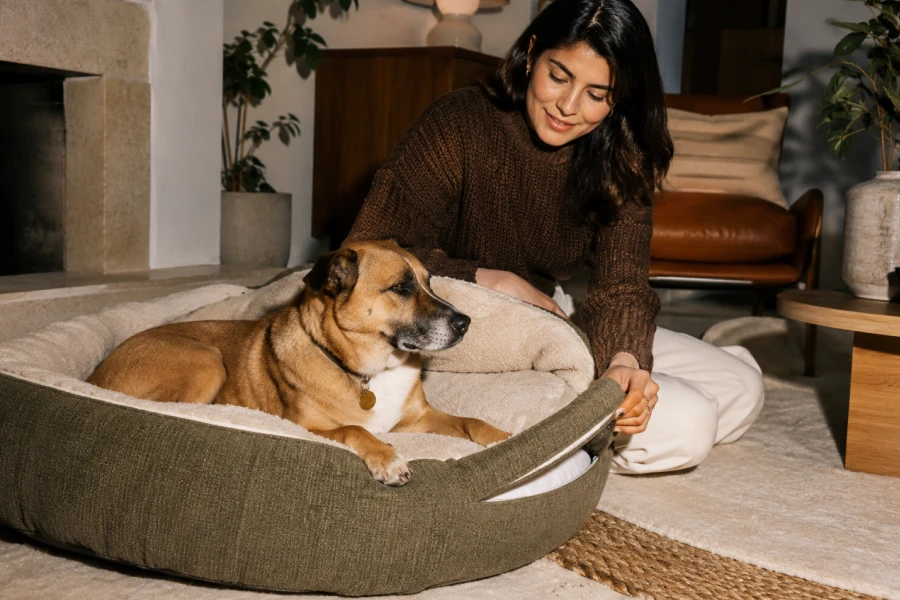
Best fabrics for pet beds should follow the pet’s habits rather than a decorative trend. Begin with the places where your pet already chooses to sleep. Watch whether it stretches, curls, nests, or changes positions often. Each habit points toward a different comfort need. The room matters too. A warm sun patch and a cool hallway ask different things from a cover. Write down only the observations that influence the choice. This creates a small but useful comfort brief. It keeps style in the picture without letting style take over. The final bed should make sense in your actual home.
Consider a short comfort brief built around how the pet actually rests before making the next move. Frame a short comfort brief built around how the pet actually rests as part of a useful design brief. Begin with what happens in ordinary use. A strong choice does not need to impress every visitor. It needs to suit one specific pet. Write down the behavior you notice most often. Add the room conditions that shape comfort. Keep only the details that change the decision. This gives every material a job to do. Good design is specific without becoming fussy. The final result should feel easy to live with. A practical adjustment should make the next moment easier. That is where a thoughtful plan becomes a dependable habit.
Consider sleep posture, nesting habits, and everyday movement patterns before making the next move. Frame sleep posture, nesting habits, and everyday movement patterns as part of a useful design brief. Begin with what happens in ordinary use. A strong choice does not need to impress every visitor. It needs to suit one specific pet. Use durable pet bed textiles when you want a grounded next step. Write down the behavior you notice most often. Add the room conditions that shape comfort. Keep only the details that change the decision. This gives every material a job to do. Good design is specific without becoming fussy. The final result should feel easy to live with. That is where a thoughtful plan becomes a dependable habit.
Consider the balance between tactile softness and steady performance before making the next move. Frame the balance between tactile softness and steady performance as part of a useful design brief. Begin with what happens in ordinary use. A strong choice does not need to impress every visitor. It needs to suit one specific pet. Write down the behavior you notice most often. Add the room conditions that shape comfort. Keep only the details that change the decision. This gives every material a job to do. Good design is specific without becoming fussy. The final result should feel easy to live with. The process stays clearer when each step has one purpose. Good care leaves enough room for preferences to change.
Consider the home’s temperature, floor type, and cleanup demands before making the next move. Frame the home’s temperature, floor type, and cleanup demands as part of a useful design brief. Begin with what happens in ordinary use. A strong choice does not need to impress every visitor. It needs to suit one specific pet. Use comfortable washable covers when you want a grounded next step. Write down the behavior you notice most often. Add the room conditions that shape comfort. Keep only the details that change the decision. This gives every material a job to do. Good design is specific without becoming fussy. The final result should feel easy to live with. Good care leaves enough room for preferences to change.
Consider how a fabric ages through shedding, digging, and wash cycles before making the next move. Frame how a fabric ages through shedding, digging, and wash cycles as part of a useful design brief. Begin with what happens in ordinary use. A strong choice does not need to impress every visitor. It needs to suit one specific pet. Write down the behavior you notice most often. Add the room conditions that shape comfort. Keep only the details that change the decision. This gives every material a job to do. Good design is specific without becoming fussy. The final result should feel easy to live with. This keeps the decision connected to ordinary household life. Repeated use will tell you more than a single first reaction.
Return to the comfort brief whenever the choice starts to feel crowded. The pet’s habits should stay at the center. The room, cleanup needs, and seasons can shape the supporting details. Keep what makes rest easier. Change what adds unnecessary work. A well-chosen bed can evolve through small updates rather than a full restart. This keeps the decision humane and practical. Good design notices real behavior. It also leaves room for that behavior to change. A bed earns its place by supporting everyday life. Revisit the brief when seasons or sleeping habits shift. A small material adjustment can preserve comfort without starting over. Explore practical resting-bed construction when you want a clear, practical next reference.



Leave a comment